The Fujifilm System
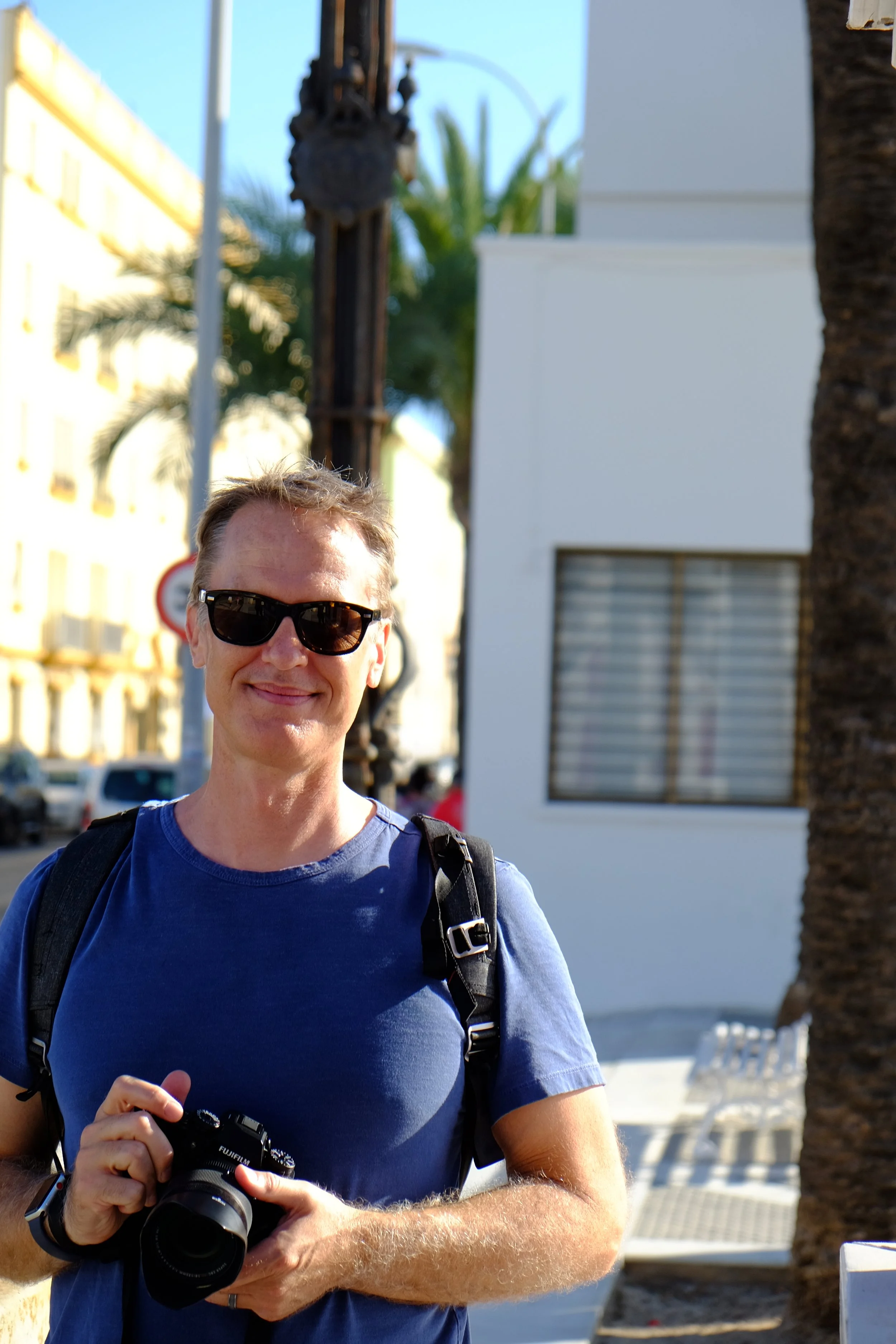
Why I Use the Fujifilm X System
I’ve built my photography kit around the Fujifilm X system because it strikes the balance I care most about: image quality, portability, and a shooting experience that keeps me focused on the scene rather than the gear. The cameras are compact enough to carry all day, capable enough for large prints, and intuitive enough that settings become second nature. The lenses are optically strong, well-built, and thoughtfully sized. They don’t feel like scaled-down versions of larger full-frame designs. Instead, they’re purpose-built for balance and portability, which matters when hiking, walking long distances in the city, or traveling with minimal gear. Over time, the system has grown into a set of tools tailored to different types of photography including landscape, urban, travel, and the occasional wildlife or macro outing.
Cameras
Fujifilm X-T5
The X-T5 is the backbone of my kit. It’s my primary landscape and travel body, offering high resolution and strong dynamic range in a relatively compact form. It’s weather-sealed, dependable in changing conditions, and feels purpose-built for thoughtful photography. Most of my travel and urban and coastal work is captured on the X-T5.
Fujifilm X100VI
The X100VI is my everyday carry camera what what got me into the Fuji system in the first place (X100S). Fixed lens, small footprint, and unobtrusive enough for street and urban work. It’s ideal when I want to stay light, move quickly, and blend into the environment. For city walks around San Francisco, it’s often the camera I reach for first.
Fujifilm X70
The X70 is compact, discreet, and still surprisingly capable. It’s still what I reach for when I’m traveling light and want something more than my iPhone. It’s easy to carry and encourages a minimalist approach. There’s something refreshing about working with a small fixed-lens camera, it keeps the focus on composition and timing. I hope someday Fuji will come out with a successor to this great little camera.
Fujifilm X-S20
The X-S20 is my flexible hybrid body. It’s lightweight, comfortable to handle, and excellent for situations where I want portability with modern autofocus and video capability. It’s a strong all-around performer and a great travel companion. I thought I was going to be doing more video work with it but I tend to use it when I need a second body or perhaps even use it for video shooting.
Zoom Lenses
XF 16-55mm f/2.8
This is my workhorse standard zoom. It’s a pro-grade zoom and is sharp across the frame and reliable in variable light, it covers a wide range of landscape and urban scenarios. When I want versatility without sacrificing image quality, this lens often stays mounted. It’s usually my go to zoom when walking around in urban environments..
XF 16-80 f/4
A highly practical travel zoom and the lens I travel with if I’m not taking the 18-135 due to its wider 16mm front end focal length. The extended range makes it ideal for long days of walking when I don’t want to change lenses. It balances portability with flexibility and works especially well for travel and urban photography.
XF 18-135 f/3.5-5.6
The most versatile single-lens option in my kit and one that has I’ve traveled with the most due to its versatility. When conditions are unpredictable or I want one lens that can handle wide scenes through moderate telephoto reach, this is a dependable choice. It’s particularly useful for travel where flexibility outweighs absolute speed. It’s getting a little long on the tooth but it’s still one of my favorite travel zoom lenses.
XF 50-140mm f/2.8
This is my go-to telephoto zoom for compression, detail work, and isolating subjects in action, landscapes and urban settings. The constant f/2.8 aperture makes it dependable in lower light, and the image quality is consistently excellent.
XF 70-300mm f4-5.6
A surprisingly lightweight telephoto option that extends reach without adding significant bulk. It’s ideal for distant landscape elements, wildlife, and layered compositions. If I need to shoot long in the city, it’s what I use because it’s relatively small. and easy to carry around.
XF 100-400mm f4.5-5.6
This lens is for serious reach such as wildlife, distant mountain features, or compressed landscapes where scale and isolation matter. It’s larger, but when the situation calls for it, nothing else substitutes for the range it provides. I originally bought it for a trip to Africa but have used it quite along to shooting the moon around San Francisco.
Prime Lenses
XF 18mm f/1.4
A fast, sharp wide-angle prime that works beautifully for environmental scenes and low-light urban photography. It’s compact and extremely versatile.
XF 33mm f/1.4
A natural field of view that feels intuitive and balanced. It’s sharp, fast, and ideal for everyday shooting.
XF 56mm f/1.2
This lens shines when subject separation and depth are important. It produces beautiful rendering and is particularly strong for portraits and tighter compositions.
XF 80mm f/2.8 Macro
A dedicated macro lens that reveals detail often missed in broader scenes—textures, patterns, and smaller elements in nature. It adds another layer to landscape exploration. I don’t use this very often but when I do, I wonder why I don't use it more often.
XF 90mm f/2
One of the sharpest lenses in the system. It offers clean compression and beautiful rendering, making it ideal for isolating subjects in both landscape and urban environments.
Why This System Works for Me
What keeps me with Fujifilm isn’t just image quality, it’s the experience. The cameras encourage deliberate shooting. The lenses are optically strong without being unnecessarily large. The system feels cohesive.
Most importantly, it allows me to stay mobile. Whether carrying in a bag while biking to a favorite city location, hiking in a park, walking the streets of San Francisco, or exploring coastal terrain, the gear supports the experience rather than dictating it.
For me, that balance matters more than chasing the latest gear. The goal is always the same: to be present, observant, and ready when the light shifts.